
Driving Competitive Advantage in Insurance with Cloud and GenAI
David Boyce, Head of Platforms at Tokio Marine HCC, and Stuart Maltas, Global Insurance Industry Cloud Leader at NTT DATA Inc., explore the transformative power of cloud and GenAI in insurance. In this episode of the NTT DATA Insurance Dialogs, they discuss how scalable cloud platforms, data integration, and AI-driven insights are enabling insurers to innovate, automate processes, and deliver faster, smarter outcomes.
Touching on the challenges of legacy systems, the importance of disaster recovery, and the synergy of SaaS and public cloud, they highlight how strategic partnerships and co-innovation help insurers create competitive advantage, foster agility, and unlock real business value.
Speakers


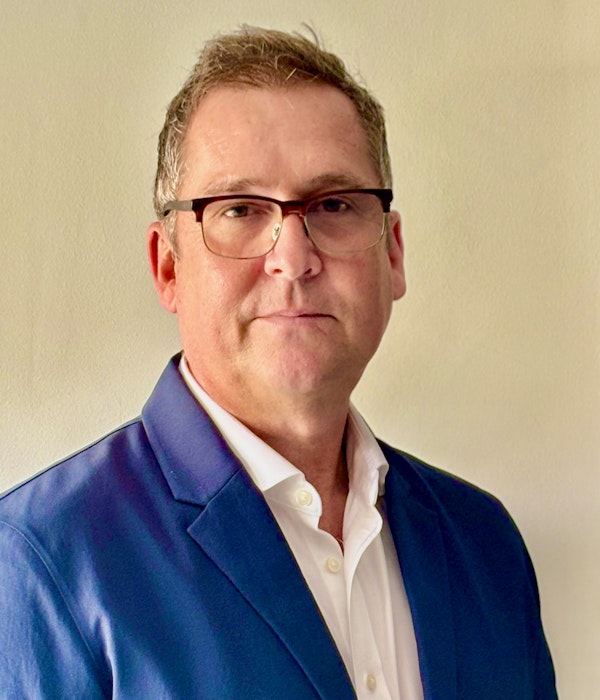
Stuart Maltas
Global Insurance Industry Cloud Leader at NTT DATA Inc.
Stuart Maltas
Global Insurance Industry Cloud Leader at NTT DATA Inc.





Transcription
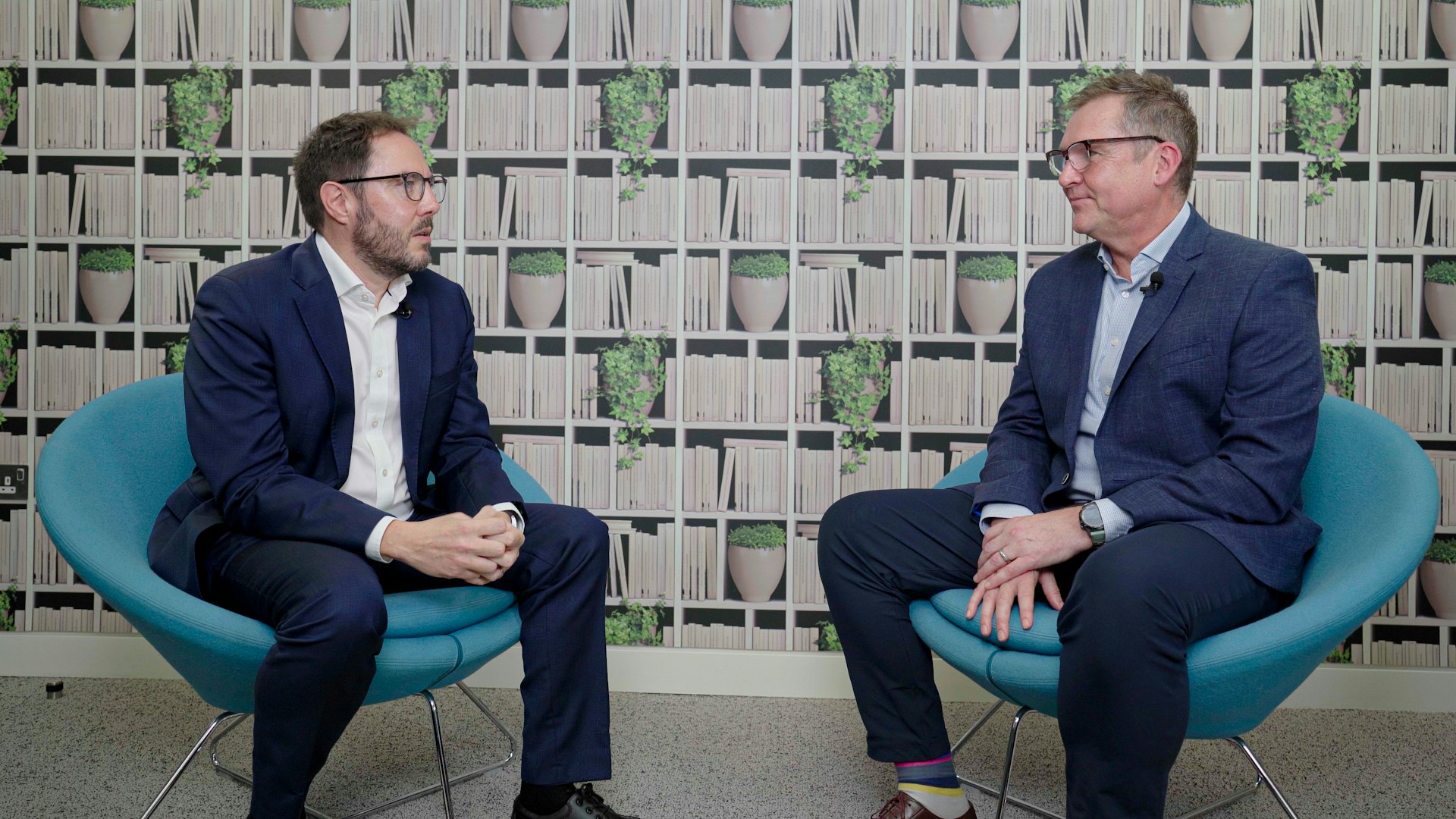
Hello everyone. Welcome to our new insurance dialogue. David, great to be with you today. For those watching who may not know you, why don’t we start with a quick intro to the Tokio Marine HCC business, and we can get into how you and your technology team see cloud as an enabler to your business strategy?
Thanks, Stuart — it’s great to be here. For anyone who might not know us, Tokio Marine HCC is a specialty insurer, which basically means we cover the kinds of risks that don’t fit into the standard insurance box — things like sports, aviation, cyber, and professional liability. It’s a fascinating space because every risk is different, and that means agility and insight are everything.
From a technology perspective, our job is to make that expertise scalable — to give our underwriters, claims teams, and brokers the data and tools they need to move faster and make sharper decisions.
That’s really where the cloud comes in. For us, it’s not just about modernising systems — it’s about enabling innovation. The cloud gives us flexibility, helps us connect data across the business, and powers the next generation of AI and analytics that can really change how we operate.
So, we see the cloud as a foundation for growth and creativity, not just technology. It’s what helps turn ideas into real business outcomes.
So, our UK Cloud team have had the opportunity to work with you and the Tokio Marine HCC teams on a number of cloud initiatives, starting with an Azure Public Cloud Disaster Recovery (DR) strategy, design, and implementation program.
It would be great if you could share your approach and key learnings you have taken from this early engagement to ensure you maximise value from the cloud?

When I joined TMHCC, one of the first things I wanted to get right was our stability and disaster recovery posture. We already had a cloud DR solution in place, but it was very “all or nothing” — it only offered bubble testing, not the full end-to-end validation I was looking for.
So, I brought in NTT, really just to sanity-check my thinking. They quickly pulled together a market comparison — everything from on-prem options like VMware SRM through to alternative cloud DR offerings, including the one we had. That gave me the clarity to make a strong internal case for change — and honestly, it made the budget conversation a lot easier.
Next came the design and implementation. We took a true partnership approach: NTT brought the project management and technical expertise, and members of my team were embedded alongside them to learn as we went. That cross-skilling really paid off — not just in delivery, but in building confidence and capability across the team.
The result was a genuinely end-to-end DR setup that we could rely on if something real happened. And because we’d achieved savings in our run costs, we were able to extend DR protection to systems that had only been backed up before — this time, delivered entirely by our own team, which really showed how far they’d come.
More recently, NTT helped us redesign our Azure landing zones — secure, policy-driven, and delivered entirely as code. Their connection with Microsoft meant we were always aligned with the latest best practices, which was a huge plus.
So while these might sound like early steps in our broader cloud journey, the learnings have really stuck with me: look before you leap, and work with partners who help you build a strong foundation to innovate from.
That’s fantastic David – thank-you.
So as you look forward beyond the early cloud programs at Tokio Marine HCC, what are the focus areas that you and your team are looking for from the cloud platform providers to help drive even greater value for the business?
We’re at the point now where it’s not just about being on the cloud — it’s about how the cloud can create real business value.
For us, the next phase is all about data, integration, and co-innovation. We’re looking for platforms that make it easier to bring data together securely, so we can apply AI and analytics to it and turn that into actionable insight.
Interoperability is another big one. We’re using more SaaS and industry-specific tools, so we need cloud partners who can help us connect those ecosystems seamlessly — without creating new silos.
And finally, it’s about partnership. We want providers who don’t just offer infrastructure, but who get involved in solving business problems alongside us.
So really, it’s becoming less of a technology conversation and more about outcomes — how the cloud helps us move faster, smarter, and with more confidence.

I think that’s key, being able to demonstrate real tangible outcomes from the technology.
With that in mind, as you engage with your peers across the insurance industry, you’ll know that many insurers are already “in the cloud,” but they’re at very different stages. What do you think separates those getting full value from those still on the journey?
That’s a great question, I think most insurers are in the cloud, but being there and really using it are two different things.
The ones getting full value aren’t just lifting and shifting what they already had — they’re rethinking how they work. They’re using cloud to connect data, automate processes, and test new ideas quickly, without waiting for long project cycles.
For me, the real differentiator is mindset. The high performers see cloud as a launchpad for innovation, not just a hosting environment. They modernise their core systems, yes, but they also build in flexibility — so they can integrate with partners, adapt to change, and move quickly when opportunities come up.
At TMHCC, we take that same principle — combining core platforms that give us stability and speed, with cloud capabilities that let us innovate around them. It’s about balance: keeping our foundations strong while giving the business room to move fast when it needs to.
I like that, integration of cloud and core platforms to maximise value from the technology.
Moving on to adoption. So what’s one firmwide mindset shift you think insurers need to make to move from “cloud adoption” to true “cloud-enabled competitive advantage”? for example - Tokio Marine HCC are also adopting GenAI technologies, having carried out a couple of POCs with us — how do you see that impacting cloud adoption, and where can NTT assist further on this journey?

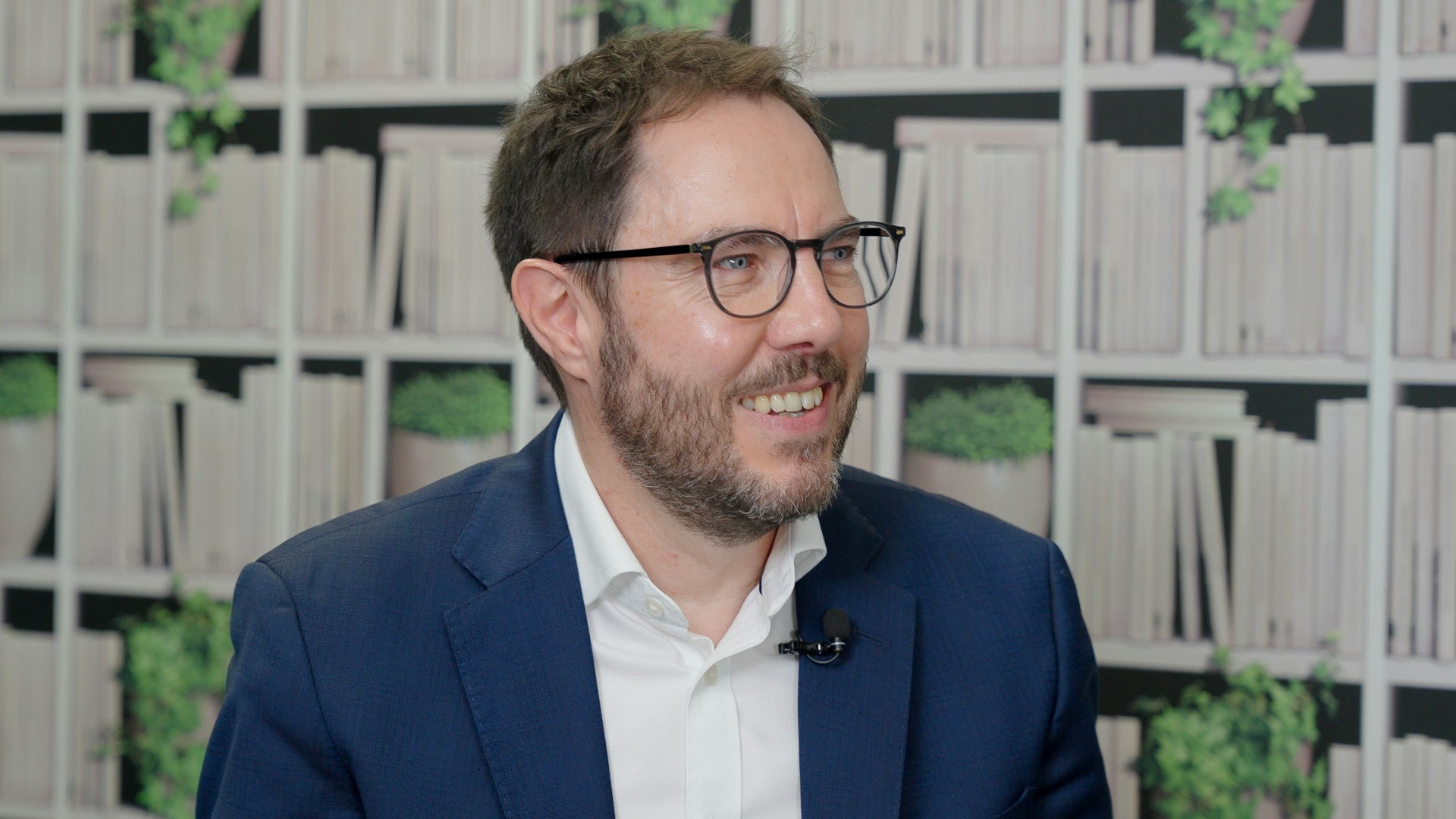
I think the key shift is moving from seeing the cloud as an IT project to seeing it as a business growth platform. Often cloud programs start around modernization or cost savings — which is fine — but the real value comes when you use the cloud to innovate and differentiate.
It’s about empowering teams to move faster, to use data more intelligently, and to deliver new products or services that weren’t possible before. When the cloud becomes part of how you create value, not just how you store data, that’s when you move from adoption to competitive edge.
GenAI is really accelerating that, these models thrive on scalable compute and governed data, so the stronger your cloud foundation, the faster you can innovate with AI. At TMHCC, GenAI is pushing us to think more broadly about how cloud connects data, people, and processes.
That’s also where NTT DATA comes in — helping us turn proof of concepts into production, embedding GenAI safely into underwriting, claims, and customer experience. But just as important, they’re helping us build capability and culture — supporting teams as they adopt cloud-native and AI-driven ways of working.
That’s where real transformation happens — when cloud and GenAI combine to make the business more agile, more insightful, and ultimately, more competitive.
Finally, I’m aware that the strategy you’re adopting is more SaaS-focused — how do you augment that with public cloud capabilities to enable value?
Our SaaS-first approach gives us a really strong backbone — those platforms bring reliability, compliance, and speed to market. But we pair that with public cloud to extend what we can do — especially around data integration, analytics, and innovation.
It’s that combination that delivers real value: SaaS keeps us stable, and cloud lets us evolve and experiment. Together, they create a digital ecosystem that’s scalable, secure, and adaptable — and that’s what helps the business move faster and smarter.
That’s fantastic David, thank you for your time, your partnership and the insights — it’s been a pleasure talking with you and bringing to life elements of the the Tokio Marine HCC cloud platform journey!
As always, for those insurers on their own cloud journeys — what’s your biggest cloud challenge or opportunity? Share your thoughts below or reach out to our NTT DATA team through the links in the comments. We’d love to continue the conversation and keep learning from each other.
Related content



Post / Building the intelligent insurer with Cloud and AI
Cloud, data and AI must converge to transform insurers into intelligent enterprises built for resilience, speed and measurable growth.
Paper / Cloud + Data + AI: Foundations for the intelligent insurer
Driving insurance transformation through cloud innovation, modernization, and AI-powered scalability.

Event / AWS re:Invent 2025
NTT DATA at AWS re:Invent 2025 explores the latest cloud innovations, turning insights into actionable marketing and business strategies.